Enabling means shielding someone from the natural consequences of their drinking or drug use — covering up, making excuses, paying the debts, cleaning up the mess — so that using stays comfortable and change feels unnecessary. It usually comes from love, not weakness. The opposite isn't cruelty or cutting them off; it's letting consequences land while staying warm and connected. One question sorts most moments: am I making the using easier, or making recovery easier?
- Enabling ≠ helping — it's the well-meaning things that quietly remove the reasons to change.
- It comes from love and fear — there's no shame in having done it.
- The fix is not "tough love" cut-offs (those often backfire). It's warmth + boundaries + honesty.
- Changing how you respond can measurably improve the odds your loved one engages with help (CRAFT review, 2020).
- Stepping back can bring guilt — Al-Anon helps you hold boundaries without it.
01 The honest checklist
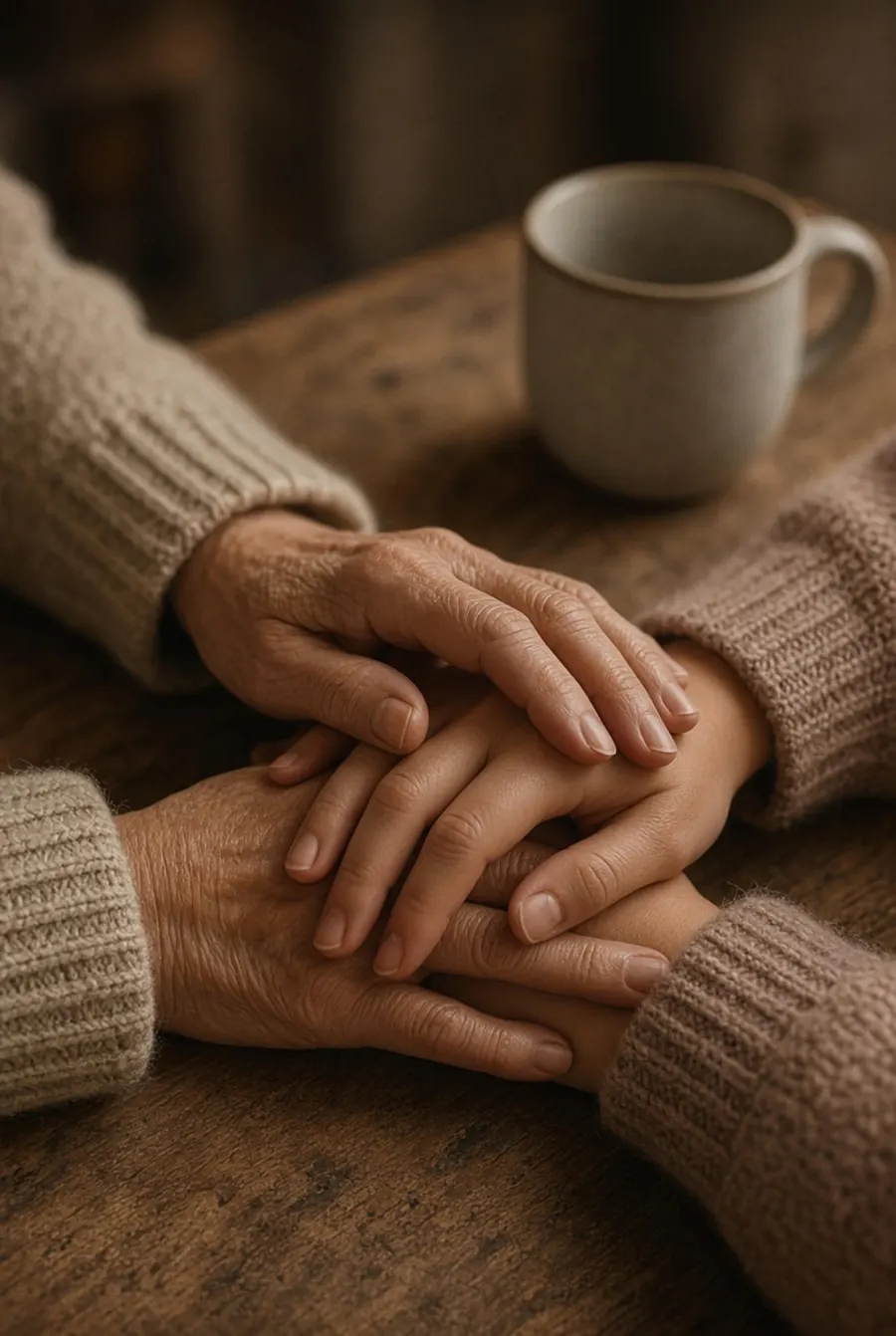
Ask yourself which of these you've done lately — most families have, and that's the point, not a verdict on you (support vs. enabling in families with SUD):
- Called in sick for them, or made excuses to family, friends, or their employer
- Paid debts, fines, or bills that their using created
- Given money that ended up funding use
- Cleaned up the mess, hid the evidence, or smoothed things over so no one found out
- Threatened a consequence ("this is the last time") and then didn't follow through
- Bent your own limits — drinking with them, staying quiet — to keep the peace
If several ring true, you're not a bad person. You're a loving one who's been trying to protect someone you care about. Now you can aim that same effort somewhere more useful.
02 Why enabling is so easy (and so human)
In the moment, rescuing feels like helping — you stop a crisis, avoid a fight, protect their job or reputation. The catch is that consequences are often what eventually motivates change, and removing them keeps things stuck. This isn't a character flaw; it's how caring for someone in pain naturally works. Naming it isn't about blame — it's about redirecting your energy.
03 How to shift from enabling to supporting
- Stop covering up. Let the natural consequences reach them (as long as they're not life-threatening). You don't have to engineer punishment — just stop absorbing the fallout.
- Be honest, calmly. "I love you, and I'm not going to pay for this anymore" is support, not an attack.
- Reinforce the good. Warmly acknowledge sober time and honest steps.
- Offer help with the next step — when they're open to it, point to FindTreatment.gov or SAMHSA 1-800-662-HELP (4357).
- Keep the relationship warm. Boundaries work best inside connection, not cut-off.
04 What NOT to do — including the "tough love" myth
- Don't confuse boundaries with cruelty. Cold, punishing cut-offs and "hit bottom or else" ultimatums often backfire and can push people further from help. Warm-but-firm beats harsh.
- Don't police or search to "catch" them — it breeds secrecy, not sobriety.
- Don't set consequences you won't keep — unenforced threats teach that your limits aren't real.
- Don't do it alone. Al-Anon and similar groups help you hold boundaries without guilt.
05 Take care of yourself
Stepping back from enabling can bring a wave of guilt — that's normal, and it passes. Family support groups like Al-Anon are associated with better coping for the family member, somewhat independent of whether the person gets sober (Al-Anon outcomes, 2015). You're allowed support too. In a crisis: 988 or SAMHSA 1-800-662-HELP (4357).
Frequently asked questions
Is giving my addicted child money always enabling?
If I stop enabling, will they hit rock bottom and get better?
How is this different from setting boundaries?
Related guides
Keep readingHow to Help an Alcoholic
The full guide.Living With an Addict
Day to day.When Someone Relapses
What to do.Living With an Addict Spouse
For partners.Sources
- Community Reinforcement and Family Training and rates of treatment entry: a systematic review (2020) — PMID 31770469
- Exploring the Distinction Between Support and Enabling in Families With SUD — PMID 42017778
- Social processes explaining the benefits of Al-Anon participation (2015) — PMC4702510